
What Insurance Do I Need If I’m Converting My Loft?
A loft conversion is one of the most popular ways to add space and value to a home. Whether you are creating a new bedroom, office, or living area, it is an exciting project that can transform your property. However, before work begins, it is important to understand the insurance you may need during the building process.
Construction work introduces new risks, and the right insurance helps protect both your home and the people carrying out the work. In this guide, What Insurance Do I Need for My Loft Conversion?, we explain the different types of cover homeowners should consider before starting a project.
Why Insurance Is Important for Loft Conversions
Any building project carries potential risks. Structural work, new materials, and construction equipment all increase the chance of accidents or damage.
Without the correct insurance in place, homeowners could be responsible for repair costs or liability claims if something goes wrong. Having the right cover ensures that both the property and the people involved are protected.
Most reputable builders will already carry their own insurance policies. However, homeowners should still review their own insurance to ensure it remains valid while construction work is taking place.
Understanding these details early helps prevent problems later in the project. This is why What Insurance Do I Need for My Loft Conversion? is such an important question to consider before work begins.
Checking Your Home Insurance Policy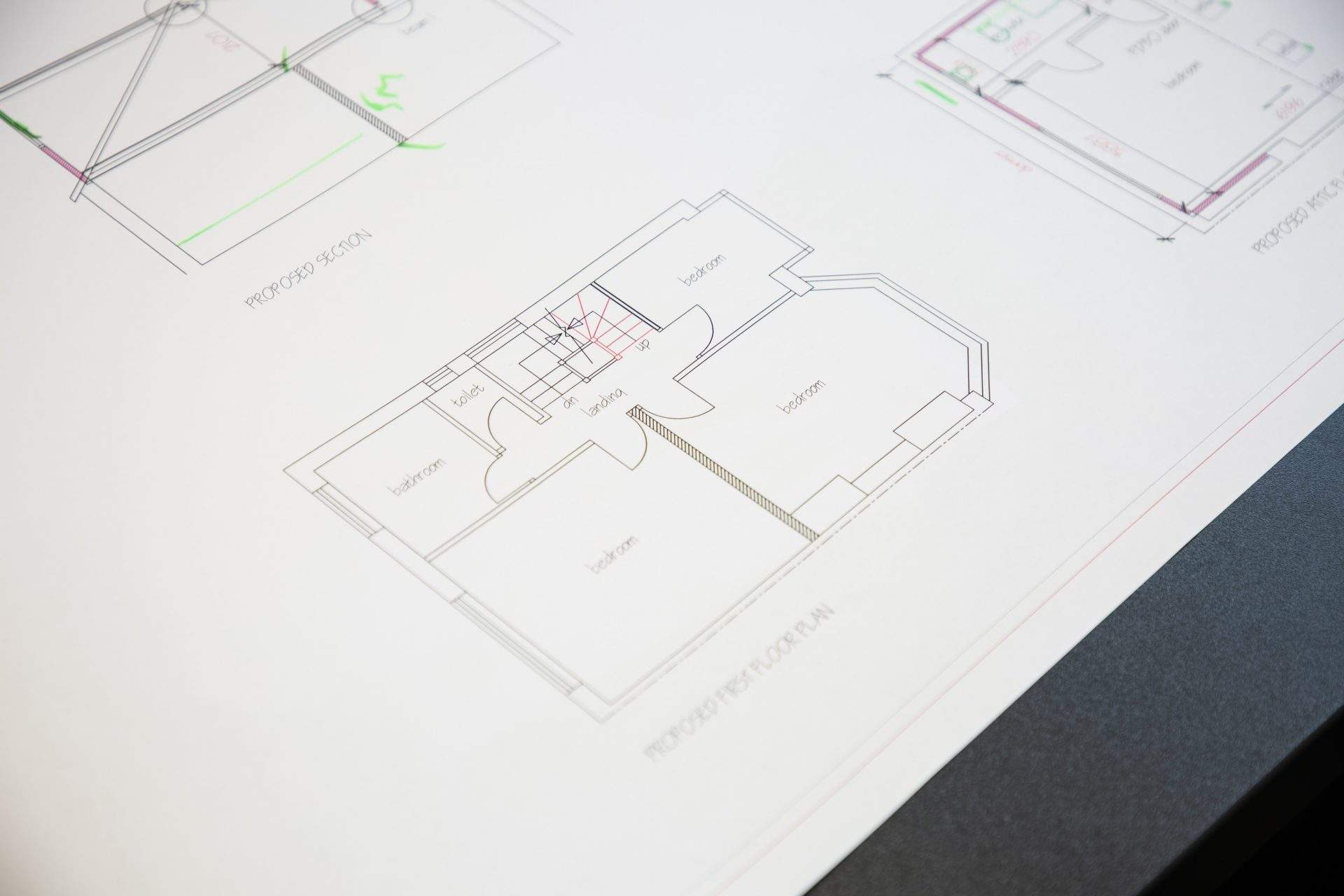
The first step is to review your current home insurance policy. Some policies automatically cover minor building work, while others may require you to inform your insurer before any major structural changes take place.
A loft conversion is usually considered a significant alteration because it changes the structure and value of the property. If you fail to notify your insurer, your policy could become invalid.
Homeowners should contact their insurer before construction starts and explain the details of the planned work. The insurer may update the policy, adjust the level of cover, or recommend additional protection during the building phase.
Once the project is completed, you should also update your policy again to reflect the increased value of the property.
Public Liability Insurance
Public liability insurance is one of the most important types of cover for building projects. This insurance protects against claims if someone is injured or property is damaged during the construction work.
For example, if a visitor or neighbour is injured due to the building work, public liability insurance helps cover legal and compensation costs.
Most professional builders carry public liability insurance as part of their business cover. Homeowners should always confirm this before hiring a contractor.
Checking this protection is an essential step when considering What Insurance Do I Need for My Loft Conversion?
Contractor’s Insurance
Professional contractors should also carry their own insurance policies. These typically include employer’s liability insurance and contractor’s all-risk insurance.
Employer’s liability insurance protects workers on the site if they are injured while carrying out their duties. This cover is a legal requirement for most businesses that employ staff.
Contractor’s all-risk insurance protects the construction work itself. If materials are damaged, stolen, or destroyed during the project, this policy can help cover the cost of replacement.
Before hiring a building company, homeowners should always ask for proof of insurance. This ensures the contractor is properly protected and operating responsibly.
Structural Warranty Insurance
Some homeowners also choose to take out structural warranty insurance. This type of cover protects the property if structural problems occur after the building work is completed.
A structural warranty typically lasts for several years and may cover defects in the design, materials, or workmanship used during construction.
Although this insurance is more common with new builds, it can also provide peace of mind for larger renovation projects.
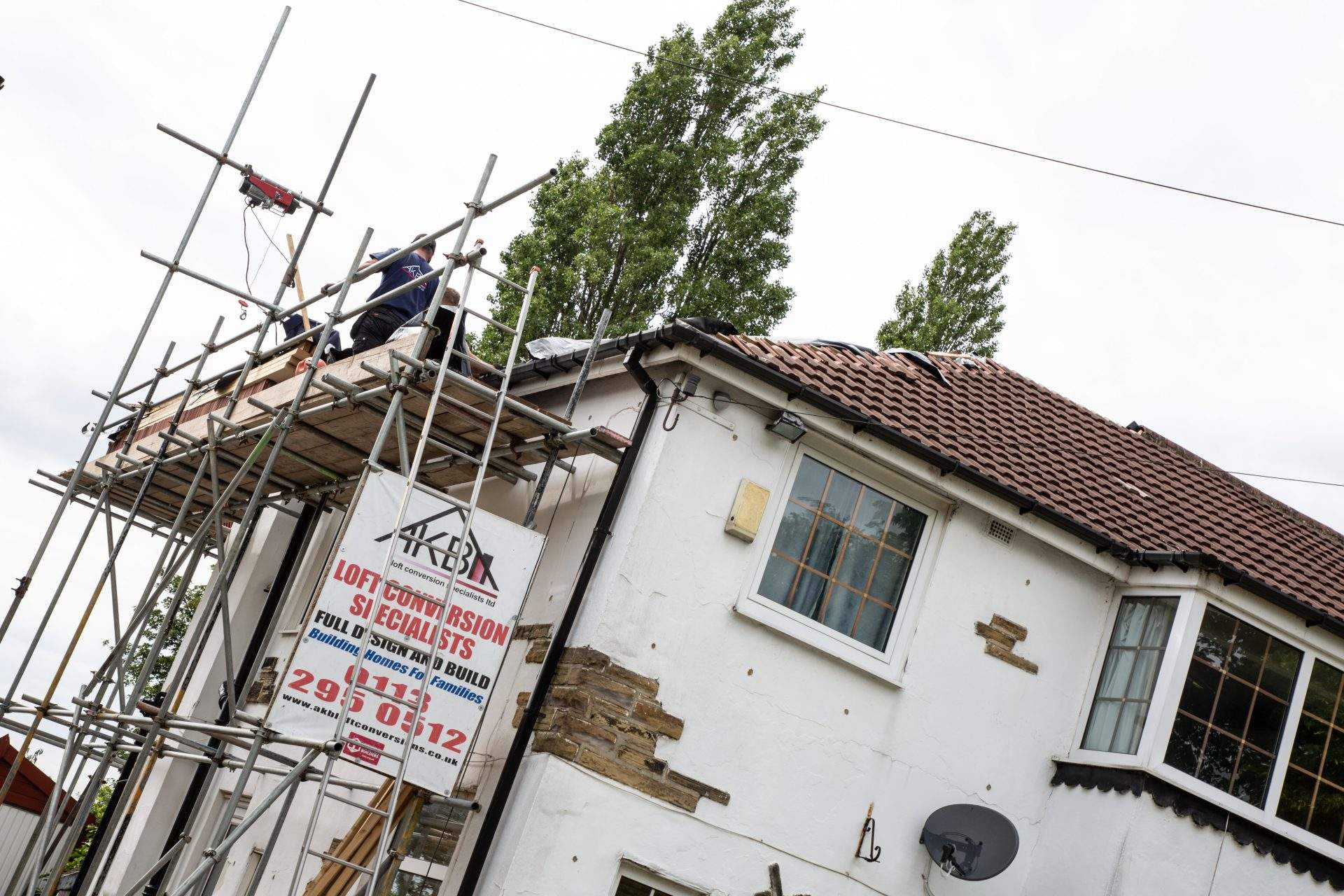 For homeowners investing in major upgrades such as a mansard loft conversion leeds, this type of cover may be worth considering due to the scale of structural changes involved.
Site Insurance During Construction
In some cases, homeowners may also require specialist renovation or site insurance. This type of cover protects the property while construction work is taking place.
Site insurance can cover risks such as:
- Damage to the existing property
- Theft of building materials
- Fire or storm damage during construction
- Accidental damage caused by building work
Standard home insurance policies may not fully cover these risks, which is why specialist renovation insurance can sometimes be necessary.
Discussing these details with your insurer ensures the project remains protected from start to finish.
Protecting Your Investment
A loft conversion is a significant investment that can improve both your lifestyle and your property’s value. Taking the time to understand the insurance requirements helps ensure the project runs smoothly.
By checking your home insurance, confirming contractor cover, and considering additional protection where needed, you reduce the risks associated with building work.
As highlighted in What Insurance Do I Need for My Loft Conversion?, careful planning and proper insurance provide peace of mind throughout the entire project.
Contact Us
If you are considering a loft conversion and would like expert advice on planning your project, our experienced team is here to help. Contact us today to discuss your ideas and learn how we can help bring your new living space to life.