
Different Types of loft conversions
Converting a loft is often one of the most rewarding home improvements you can make. It allows you to gain extra living space without sacrificing garden area or going through the stress of moving house. From growing families to home workers needing a quiet office, loft conversions offer flexible solutions that can adapt to changing lifestyles.
That said, not all loft conversions are the same. The right option depends on your property type, roof shape, and how you plan to use the space. Understanding the different approaches makes the decision far easier and helps you plan with confidence.
Why Loft Conversions Are So Popular
Many homes have lofts that are little more than storage areas. With the right design, that unused space can become one of the most comfortable rooms in the house. Loft conversions often add value, improve layout, and make better use of the home you already love.
They are also less disruptive than ground-floor extensions and usually take less time to complete. For many homeowners, this makes a loft conversion the most practical way to gain extra room.
Different Types of Loft Conversions – Rooflight Conversions

A rooflight, or Velux, conversion is often the simplest option. It involves fitting roof windows into the existing roof slope without altering the overall structure. This type of conversion works best where there is already enough head height.
Because the roof shape stays the same, rooflight conversions usually fall within permitted development. They are ideal for home offices, guest rooms, or hobby spaces where extra floor area is not essential. While they do not add as much space as other options, they are cost-effective and allow plenty of natural light.
Dormer Loft Conversions
Dormer conversions are one of the most common choices for UK homes. They involve extending part of the roof outwards to create more headroom and usable floor space. This extension typically appears at the rear of the property.
Dormers are popular because they offer flexibility. They can comfortably accommodate bedrooms with en-suite bathrooms and provide space for a proper staircase. Although more involved than rooflight conversions, the extra space they create often makes them worth the investment.
You can see how these projects are planned and delivered by visiting
AKB Lofts dormer loft conversions.
Different Types of Loft Conversions – Hip to Gable Conversions
Hip to gable conversions are commonly used on semi-detached and detached homes. If your property has a sloping side roof, known as a hip, this conversion replaces it with a vertical wall to form a gable end.
This change significantly increases internal space and reduces awkward angles. Hip to gable conversions are often combined with a rear dormer for even better results. While planning permission is usually required, the transformation can be dramatic and highly practical.
Mansard Loft Conversions
Mansard conversions involve altering the roof structure to create a near-vertical rear wall and a flat roof. This type of conversion provides the maximum amount of space and allows for flexible layouts.
They are commonly seen on period properties and in built-up areas. Because mansard conversions change the roof shape significantly, planning permission is almost always needed. They also tend to be more expensive, but they offer excellent long-term value and a high-quality finish.
 Bungalow Loft Conversions
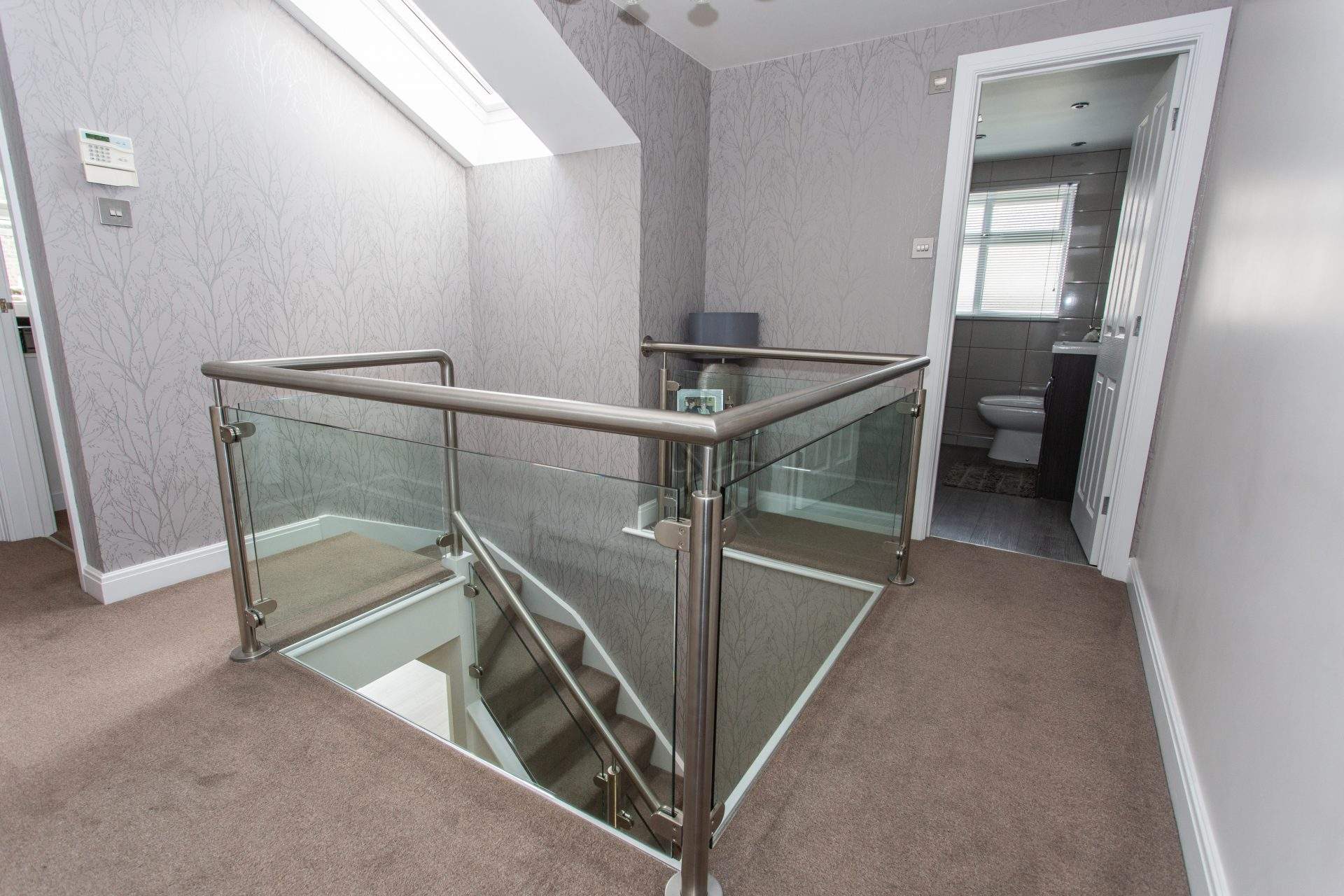
Bungalows often have large roof spaces, making them ideal candidates for loft conversions. In many cases, converting the loft can almost double the usable space in the home.
These projects can involve dormers, hip to gable designs, or more extensive roof alterations. Structural work is usually more complex, but the results can completely transform how the property functions.
Design, Planning, and Building Regulations
No matter which option you choose, building regulations will apply. These ensure the conversion is safe, energy-efficient, and practical to use. Fire safety, insulation, stair design, and structural strength all need careful consideration.
Planning permission depends on the scale of the work and local guidelines. Working with an experienced specialist helps ensure designs meet regulations and avoid delays. AKB Lofts explains their approach in detail on their
loft conversion process page.
Different Types of Loft Conversions – Choosing the Right Option
The best type of loft conversion depends on what you want to achieve. Some homeowners prioritise speed and budget, while others focus on maximising space or adding long-term value. A professional assessment helps balance these factors and ensures the design works with your property.
Interest in Loft conversions Leeds continues to grow as homeowners look for smarter ways to expand their living space. Choosing the right conversion type from the outset makes a significant difference to the final result.
For ideas and real-world examples, you can view
AKB Lofts case studies.
Final Thoughts
Loft conversions are a practical and flexible way to enhance your home. From simple rooflight designs to full mansard conversions, each option has its own advantages. Understanding the differences helps you plan a project that suits both your home and your lifestyle.
Contact Us
If you are thinking about converting your loft and want clear, honest advice, AKB Lofts can help. Get in touch with their team to discuss your ideas, explore suitable options, and take the next step towards creating valuable new space in your home.